


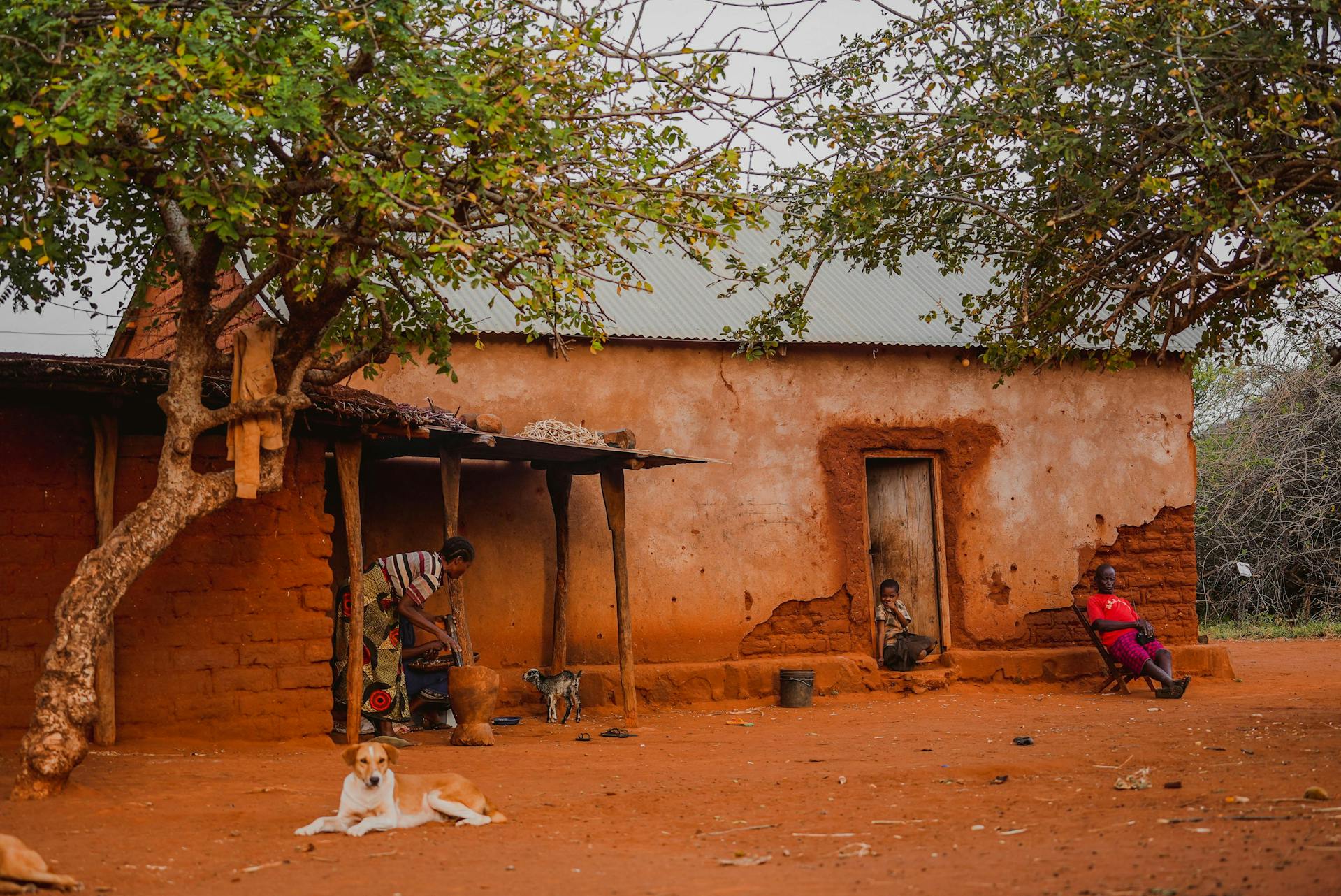
Look closely at the corners of your house, especially during the rainy season. See those black, green, or greyish patches creeping up the walls, behind the sofa, or on the ceiling? That is mould. To many, it seems like just a harmless stain, a minor eyesore to be wiped away. But in reality, it is one of the most dangerous and overlooked health hazards in our homes today. The irony is that the houses we have been taught to dismiss as symbols of poverty possess an inherent wisdom that keeps families healthier than many of the concrete boxes we now inhabit.
Our grandparents’ houses, often had large windows letting in generous sunlight. Traditional recommended housing design, supported by building science, advocated for windows equal to about one-third of a wall’s area. Why? Because natural sunlight is a powerful natural disinfectant that inhibits the growth of mould and dampness. Sunlight dries out moisture and creates an environment where mould struggles to survive. In our modern estates, however, we have become stingy with windows. We build houses so close together that even when the sun is high, it never quite reaches the interior. The result is perpetual dampness and mould that thrives in the darkness we have created.
Firstly, mud is a hygroscopic and breathable material, which means it actively regulates the moisture in your home in ways that cement and concrete simply cannot. When the rains come and the air becomes heavy with humidity, the mud walls absorb that excess moisture like a sponge. They draw it out of the air you breathe, preventing the damp stagnation where mould spores germinate and multiply. Then, when the dry season returns, those same walls release the stored moisture back gently into your home. This natural cycle creates a stable, healthy indoor environment that no modern dehumidifier can truly replicate.
To understand why this matters, consider what happens inside a typical modern Kenyan home during the rainy season. The humidity rises, sometimes exceeding 80 percent. In a house built with cement blocks and sealed with impermeable paint, that moisture has nowhere to go. It cannot be absorbed by the walls because cement, unlike mud, is not porous in the way that matters for indoor air quality. Instead, that moisture hangs in the air, settles on cold surfaces, seeps into mattresses and sofas, and creates the perfect breeding ground for mould spores. Within days, the black spots appear. Within weeks, the musty smell becomes permanent. Within months, the family is breathing air thick with mycotoxins, the toxic compounds produced by mould that have been linked to respiratory diseases, allergies, immune suppression, and even neurological symptoms.
Contrast this with a traditional mud and wattle house. The same humid air enters the home, but as it does, the mud walls begin their work. The clay and earth particles attract water molecules, pulling them out of the air and holding them within the wall structure. The air you breathe remains drier, more comfortable, and less hospitable to mould. This natural humidity control happens twenty-four hours a day, without electricity, without maintenance, without any cost to the family. It is not simply building; it is technology written in the language of earth rather than wires and circuits.
This thermal regulation is a fundamental determinant of health. Consider what happens in a typical house covered with iron sheets. During the day, the sun beats down on that metal roof. The heat transfers directly into the interior, turning the house into an oven. Then night falls. The iron sheets radiate that heat away rapidly. The temperature inside the house plummets. The warm air from the day, still carrying moisture, hits the cold iron sheets and cold concrete walls. Condensation forms. Water droplets appear on the ceiling and walls. They soak into curtains and bedding. And mould explodes.
Secondly, the thermal properties of mud and wattle construction offer protection that modern materials have abandoned. Thick mud walls possess what building scientists call thermal mass. During the heat of the day, these walls absorb the sun’s warmth slowly, keeping the interior of the house cool and comfortable. You did not need an electric fan in a properly built mud house because the structure itself was doing the work of climate control. Then, when the cold of night descends, those same walls release that stored heat gradually, keeping the indoor temperature stable and warm enough to prevent the condensation that plagues modern homes.
That condensation you see on iron sheets in the morning is the enemy. That moisture feeds mould. Our grandparents avoided it not through expensive insulation, but through the simple intelligence of choosing the right materials. The thatched roof, dismissed today as backward, was actually a superior ventilator. It allowed hot air to rise and escape naturally while providing thick insulation that maintained stable temperatures. Iron sheets, by contrast, create exactly the temperature fluctuations that pull moisture out of the air and onto our walls.
Thirdly, the design philosophy of traditional homes prioritised ventilation and light in ways that modern construction has forgotten. Our grandparents positioned their homes to catch the prevailing breezes. They understood that stale air was unhealthy air. The open eaves, the multiple small openings, the placement of doors to create cross-ventilation were a sophisticated response to the Kenyan climate, maintaining indoor air quality without a single electric appliance.
In these homes, air moved constantly, exchanging indoor air for fresh outdoor air throughout the day and night. Mould requires stagnant, damp air to grow. By keeping the air moving, traditional designs made it difficult for mould to establish itself. Today, we seal our homes tight. We worry about security and insects, so we close every opening. We install burglar bars that restrict airflow and then wonder why our houses smell musty, why our children cough at night, why we wake up congested every morning. We have traded health for an illusion of security.
Now, let us consider what international human rights law tells us about the right to adequate housing. The United Nations Committee on Economic, Social and Cultural Rights has articulated seven essential elements of the right to housing. Among these are habitability, affordability, and cultural adequacy. When we apply these standards to mud and wattle houses, a remarkable truth emerges. These homes, dismissed as primitive, actually fulfil several criteria more effectively than many modern concrete houses.
The element of habitability requires that housing must protect inhabitants from cold, damp, heat, and other threats to health. Mud and wattle houses excel at this. Their breathable walls and thermal properties protect inhabitants from damp and temperature extremes in ways that concrete often fails to do. A house that grows mould on its walls is failing the test of habitability. It is making its inhabitants sick. Yet we call such houses modern and dismiss mud houses as unhealthy.
The element of cultural adequacy requires that housing must allow the expression of cultural identity. By dismissing mud construction as backward, we have abandoned a healthier building method and severed ourselves from architectural intelligence. We have internalised a colonial mindset that equates progress with European materials and African materials with poverty. We build concrete boxes that are hot, humid, and mouldy, and we call this development. We tear down earth homes that are cool, dry, and healthy, and we call this progress.
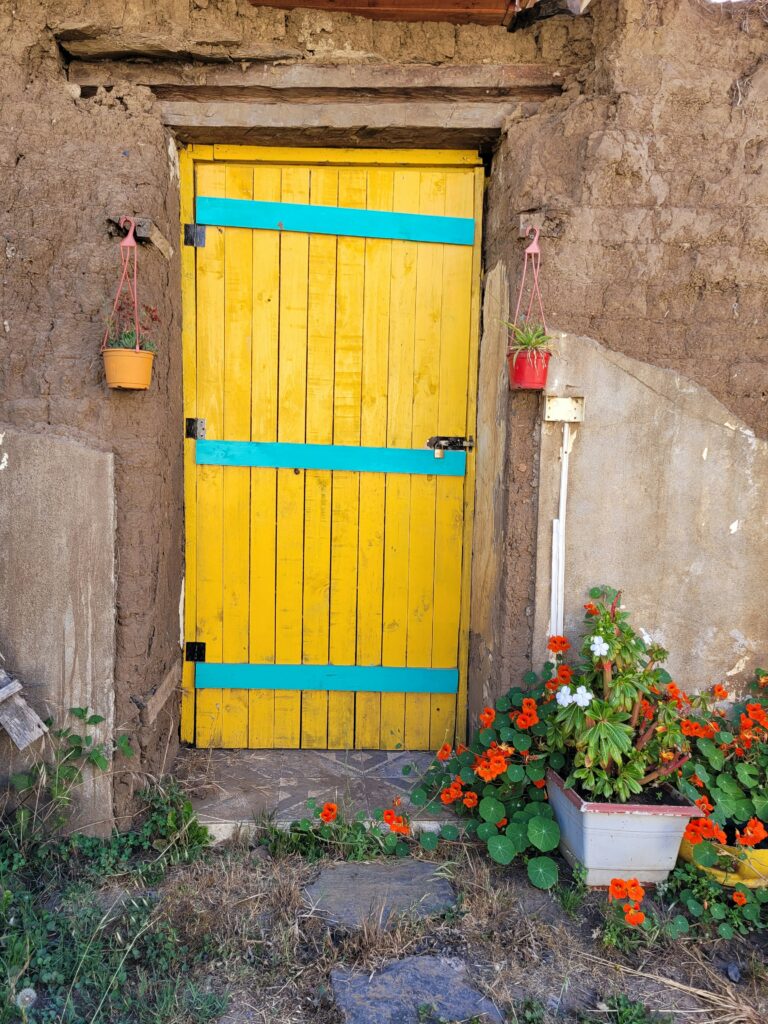
The right to housing also encompasses the availability of materials. Mud construction uses locally available, sustainable materials that do not require energy-intensive manufacturing. The earth beneath your feet, the water from the river,hese materials cost little financially and even less environmentally. They are accessible to the poorest families, meaning adequate housing need not be a privilege reserved for those who can afford cement.
We have been conditioned to see progress only in concrete and glass. We measure development by the disappearance of traditional materials. But what if the houses our grandparents built were not just culturally appropriate but scientifically superior? What if the poverty is not in the mud walls themselves but in our inability to recognise the intelligence embedded in them?
The path forward requires deliberate action from multiple actors to normalise improved mud and wattle construction. The national government must revise the Building Code to recognise modernised earth techniques, moving beyond colonial regulations that privilege concrete. The National Construction Authority should develop approved designs and training manuals for stabilised earth construction. County governments can lead by building demonstration health centres and classrooms using these methods, showing citizens such buildings are choices of intelligence.
Financial institutions must create affordable loan products for earth construction, recognising lower material costs make homeownership more accessible. Universities should reintroduce courses in bioclimatic design, graduating architects who understand both traditional wisdom and modern engineering. Community organisations can facilitate knowledge transfer from elderly builders to young masons. The media must tell new stories about mud and wattle not as backwardness to escape, but as innovation to embrace. When policy, finance, education and culture align, Kenyan families will genuinely have the freedom to choose housing that heals rather than harms, and the mould on our walls will become not a silent enemy but a solved problem.
Ruth Jelagat Kirop.
BSCN-RN.










Just done reading. It’s wow!
Such a nice piece nurse Chela, very educative.
Thank you.
Very educative!!!