


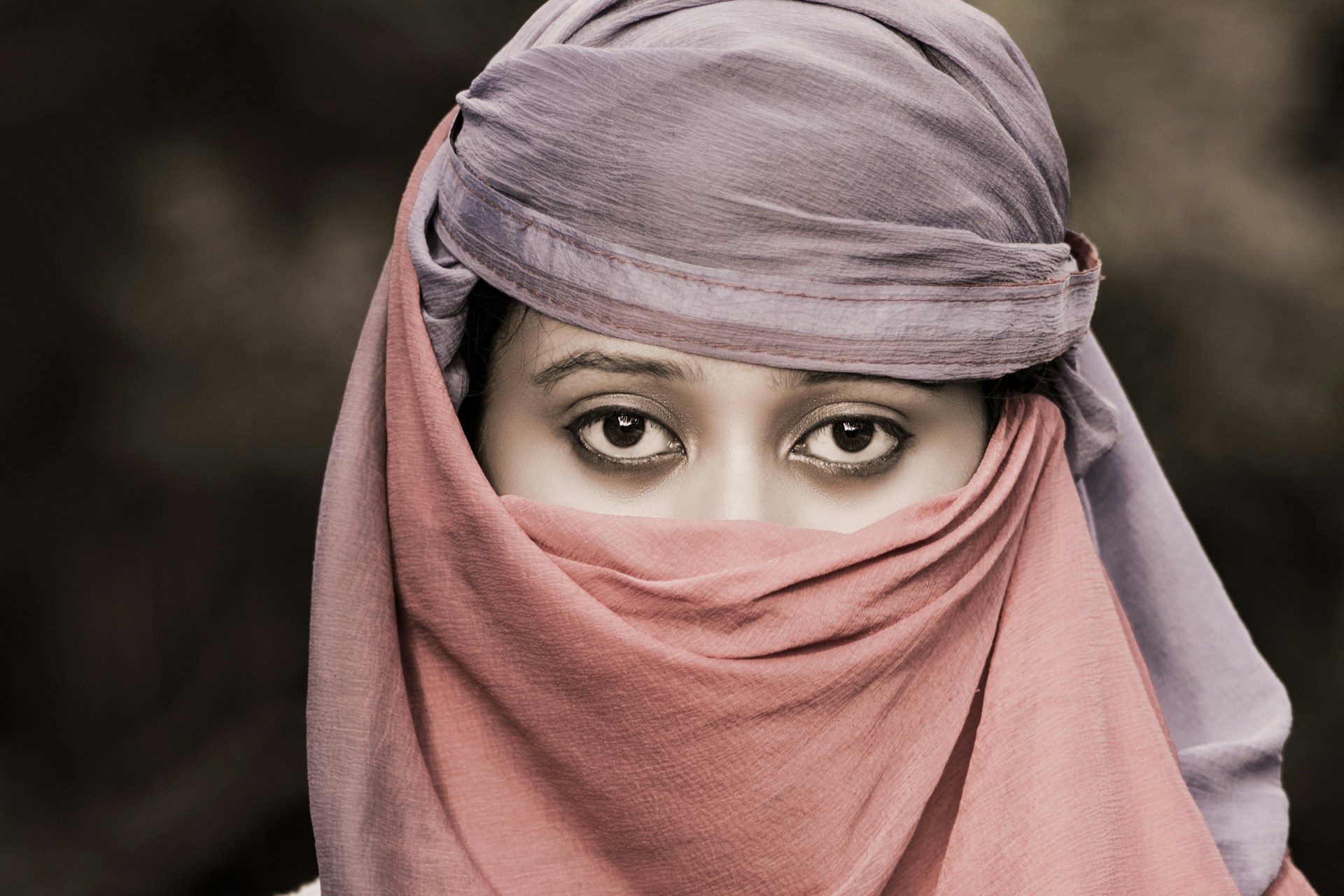
As a young girl, Aasiya* was very religious. Raised in the Muslim faith, she had attended Islamic religious studies, “madrasa”, since age three and had learned Islamic prayer by age seven. She was extremely passionate, often urging older family members to stand strong in their faith.
Aasiya grew up in Somalia, one of the first Islamic regions in Africa. Somalia adopted Islam in the early 7th century, partly due to vibrant trade links with merchants from the adjacent Arabian Peninsula. Today, more than 99% of Somalis are Muslim.
Somalia strictly forbids any religion other than Islam, and there are almost no public churches. According to Open Doors’ World Watch List, the country ranks among the top three most dangerous countries in the world to be a Christian.
Many new Somali converts are forced to flee their country of birth, but often come face to face with tough new battles abroad. Whether in cities or refugee camps in neighboring countries or Western host nations, they face myriad legal, financial, and emotional hardships, including trauma from intense persecution, social isolation, and limited work opportunities. For many, it is a life of quiet struggle, navigating a harsh new life away from people they once called their own.
At the age of 20, the deeply religious Aasiya came across Christian programming while flipping TV channels at home in Somalia one afternoon. The content, broadcast from Egypt, immediately caught her attention, and she began watching avidly whenever her mother and siblings were away. Curious about Christianity, she telephoned her father, who lived in a neighboring country and was unusually tolerant of other religions. To her surprise, he had Christian literature, including the Bible, in Somali, Arabic, and English. They began reading together long-distance. Aasiya found herself particularly moved by the story of the prodigal son in the Book of Luke, as well as other passages from the gospels that spoke about Jesus Christ. When her father was unable to answer her numerous questions, he put Aasiya in touch with one of his Christian friends, who provided deeper insight and explained that she could even pray to Jesus in Somali. She was shocked, having believed that Arabic was the only acceptable language of prayer. One day, alone at home in Somalia, she shut the door to her room, said the sinner’s prayer, and began her journey as a believer in Christ.
As a “baby” Christian, Aasiya was hungry for the Word, but accessing biblical material in the country was nearly impossible. “You can’t even have a bible on your phone in Somalia,” she said. Mere possession of Christian literature, even digitally, could lead to threats, torture, or death. Determined to keep her new faith, Aasiya eventually fled her country to join her father in a neighboring East African country.
Somalia has a population of 18 million, with an estimated 12 million others residing in neighboring East African countries, notably Djibouti, Ethiopia, and Kenya. Some live as refugees, having fled long-running civil conflict in Somalia. A further 200,000 Somalis live in the United States and Canada, with an additional 500,000 spread across Europe. Of all Somali immigrants and refugees, a very small number are Christians.
Christian converts often flee Somalia on foot or by bus to border towns in neighboring countries. When leaving, many do not disclose their reason for fear of violent attacks. They have to camouflage their intentions by claiming to go on business, for example, and sometimes have to leave suddenly, with minimal belongings, if exposed. Many eventually settle within East Africa, while some make their way further abroad.
“Fleeing Somali Christians often find a safe haven in Ethiopia or Kenya,” said Dr Aweis Ali, a Somali Christian missiologist, author, and speaker, who is based in Mogadishu, Somalia. “Churches, mission organizations, and local governments in these countries have a long history of welcoming persecuted Somali Christians.”
Once in Kenya, many Somalis, regardless of their reason for fleeing their country, head to Dadaab Refugee Complex, the world’s largest Somali refugee settlement. However, some Christian converts may prefer Kakuma Refugee Camp, which hosts a broader mix of nationalities, such as South Sudanese, Congolese, and Ugandans, many of whom are Christians.
However, Somali Christians do not receive priority in refugee programs. “This is to discourage ‘conversion’ of convenience,” said Dr Aweis. “However, Somali Christians who feel they are not safe in a Somali refugee camp can get urban resettlement. This means they will be allowed to live outside the refugee camp for their safety.”
Those fleeing to Ethiopia sometimes enter Jijiga, close to Ethiopia’s border with Somalia. Jijiga is the capital city of Ogaden, a region in eastern Ethiopia historically inhabited by Somali people. But Christian converts often choose to pass through this city quickly due to the high risk of harassment or violence by fellow Somalis. Some may enter Kebribeyah Refugee Camp, the oldest refugee settlement in the Ogaden region. But most prefer to live “underground” in urban areas, such as Dire Dawa, a multiethnic city, or Ethiopia’s capital, Addis Ababa. Both offer greater anonymity for converts fleeing persecution.
Once settled in another country, Somali Christians experience a level of relief. But they face yet another challenge. “Many local Christians in the host countries will not believe that these Somalis are Christians because they see Somalis as 100% Muslim,” Dr Aweis said. “They face many of the same persecutions they faced in Somalia, including physical violence.”
In addition to relentless persecution, Somali Christians often struggle to find sustainable work. In Kenya, Somali refugees are indeed eligible for employment, but must first obtain refugee status, officially recognized by the UNHCR and Kenyan authorities.
“A person who has been granted official refugee status can apply for a Class M work permit,” said Angela Nangurai, a director of Triple Tee Immigration Support Services based in Nairobi. “These are issued free of charge with no processing or issuance fees required.” But applicants must first obtain a letter of recognition from UNHCR and the Kenyan Department of Refugee Affairs, according to Kenya’s Directorate of Immigration Services.
Somali Christians seeking employment face yet another challenge. While Somali Muslims can tap into local Muslim networks to find a job through relatives or clan members, a Christian convert may not have access to such groups, further compounding their struggle to earn a decent living, according to Dr Aweis.
In addition to this, Somali converts must often practice their faith in secret. They are rarely able to attend open worship services. Instead, they have home churches and underground fellowships where they secretly worship the Lord together. Christian radio and TV broadcasts, such as the one that brought Aasiya to faith, are a lifeline to many.
Even after crossing borders to safety, Somali Christians must navigate a lonely and perilous road, rejected by their own communities and forced to rebuild their lives away from home, while quietly clinging to a faith that cost them everything.
Aasiya, now a mother in her early 30s, lives with her two children, both under the age of 10, outside her home country. Her marriage to a fellow Somali believer fell apart after less than a decade together. Some family members back home want nothing to do with her. They don’t allow their kids to visit, and some have threatened to forcibly “rescue” her kids from her home. While two of her family members also came to faith in Christ, one eventually returned to Islam, likely worn down by the pressure and danger that constantly shadows the majority of Somali Christians.
*Aasiya’s name and location have been altered to protect her identity.






I feel for Aasiya😔
The Body of Christ in Kenya has quite a journey to go in maturity to appreciate such challenges and opportunities for The Kingdom of God…
Thank you for sharing